
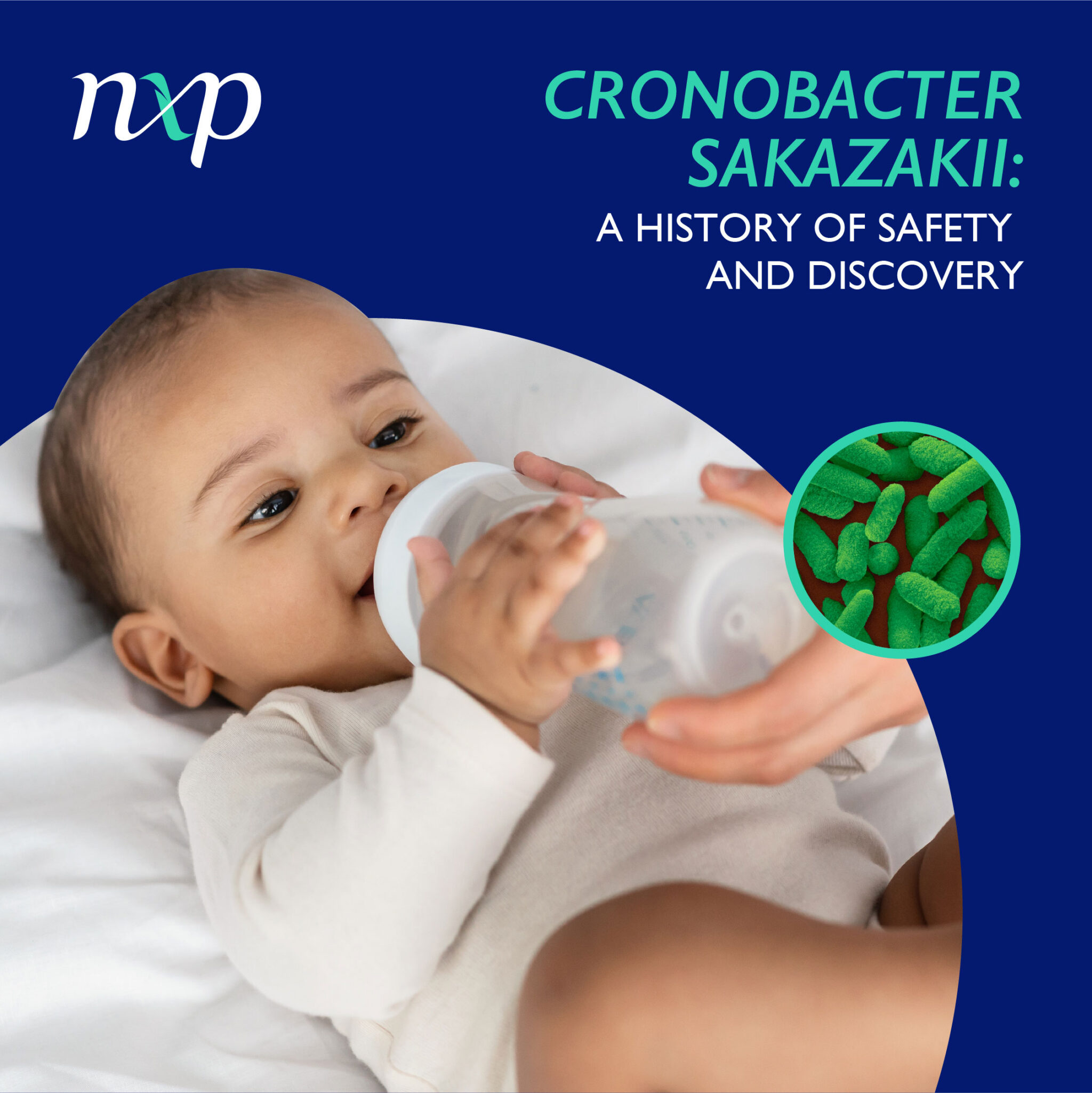
In the end of 1980’s as a young man, I worked for Nestlé in Denmark. We were manufacturing and exporting infant formula to many countries one of them being Island. At that time approximately 50 to 75% of cases of neonatal meningitis and septicaemia cases were considered caused by E. Coli and Streptococcus agalactiae. The reminder of these cases was caused by a wide spectrum of bacteria including many species of Enterobacteriaceae including the genus Enterobacter. In 1961 Urmenyi et. al (1) reported the two first cases of neonatal meningitis and septicaemia caused by Enterobactor sakazakii (now Cronobacter sakazakii). The native habitat of Cronobacter sakazakii was at that time unknown but infant formula was suggested to be a possible source of infecting the neonatal.
In 1989 three cases of Neonatal Meningitis in Iceland caused by Enterobacter sakazakii in powdered milk was published by Gunnar Biering et. Al (2). The infections occurred during a 9-months period in 1986 and 1987. Two of the neonates survived but was left with brain damage. The third had Down’s syndrome and severe cardiac malfunctions and died. E. Sakazakii was not isolated from any environmental sources in the neonatal wards or in the milk kitchen, but it was grown from several lots of the powdered infant formula used in the hospital. Furthermore, the four E. Sakazakii strains isolated from the neonates had biotypes, plasmid and DNA profiles similar to 22 strains grown from the infant formula.
The horrific news from Island shocked us, who it was shared to. It was with a mixture of disbelief and sadness we realised our products that we considered safe may harm infants. At that time, we analysed for APC, coliforms, E. coli and Streptococcus aureus and complied with all microbiological regulations. It was the first time many of us heard about E. Sakazakii.
Cronobacter sakazakii is harmless to children and adults but for infants less than 2 months, premature babies and babies born with an impaired immune system infection can be fatal.
My point sharing this sad old story is give an example that medical discoveries and scientific articles are helping to make infant formula safer, and I would not be surprised if even more strains of bacteria will be prohibited from infant formula in the future.
Today there are strict norms and regulations that requires infant formula should be free from Cronobacter sakazakii and people working in the industry must do everything they can to prevent product contamination.
- URMENYI AM, FRANKLIN AW. Neonatal death from pigmented coliform infection. Lancet. 1961 Feb 11;1(7172):313–315.
- C. Biering et al. J Clin Microbiol. Three cases of neonatal meningitis caused by Enterobacter sakazakii in powdered milk. Journal of Clinical Microbiology, 1989 Sep; 27(9): 2054–2056.
Read more about Cronobactor Sakazakii: The microbe behind the baby formula recall can
be benign—or deadly (nationalgeographic.com)
#NutriXperts #FoodandNutrition #CronobacterSakazakii #Sakazakii #QualityAssurance #QualityConcerns #ProductDevelopment #FoodIndustry #InfantNutrition #Nestle #InfantFormulaNutrition #InfantFormula

