
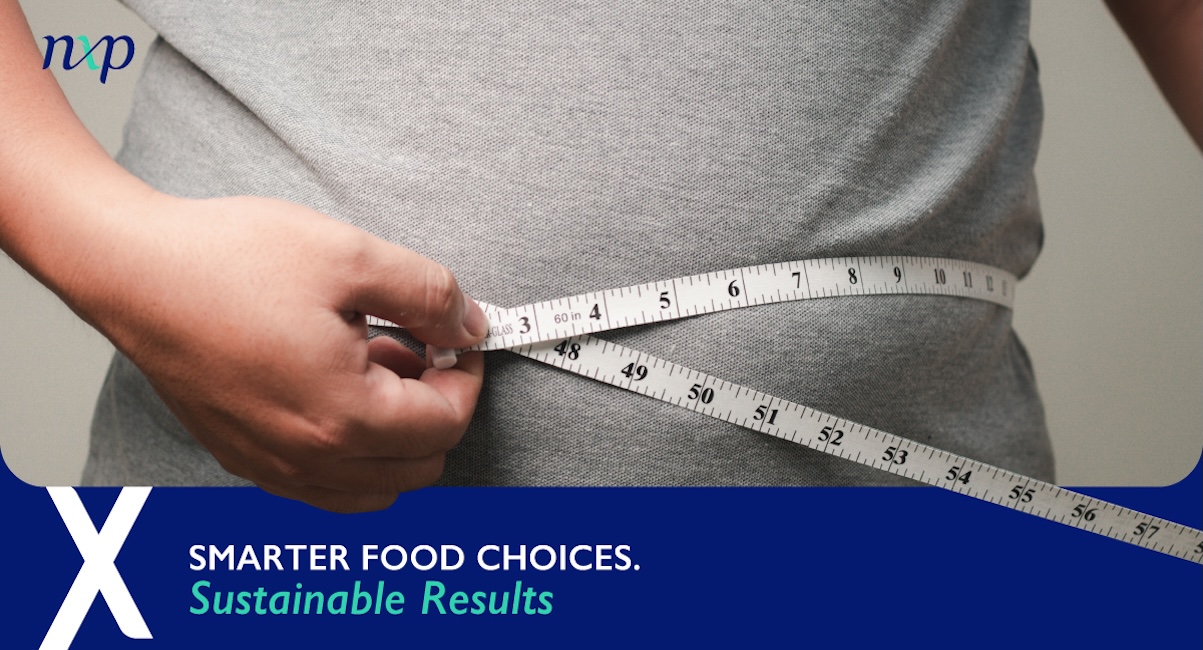
Most of us humans like the sense of being satisfied or full after eating. We may frequently utilize it to reward ourselves or to deal with stress or anxiety. Excessive calorie consumption can also be a significant element of our social or professional culture. However, feeling hungry might have a detrimental impact on our mood. If we do not burn off all the calories we have ingested through exercise, we may become obese, as many of us do not have the physically demanding jobs that were typical 30 – 50 years ago, nor the time or discipline to exercise regularly.
According to WHO: In 2022, 1 in 8 people in the world were living with obesity. Worldwide adult obesity has more than doubled since 1990, and adolescent obesity has quadrupled.
In 2022, 2.5 billion adults (18 years and older) were overweight. Of these, 890 million were living with obesity.
In 2022, 43% of adults aged 18 years and over were overweight and 16% were living with obesity.
In 2022, 37 million children under the age of 5 were overweight. Over 390 million children and adolescents aged 5–19 years were overweight in 2022, including 160 million who were living with obesity.
Obesity is currently considered an epidemic. GLP-1 promotes insulin secretion and delivers messages to the brain indicating satiety. Semaglutide, a GLP agonist, is now being promoted as a medicine to combat obesity by increasing satiety levels. This, combined with a healthier diet and more activity, can help us lose weight. Fortunately, there are foods that can promote fullness without adding a lot of calories. High protein lean foods include eggs, chicken breast, seafood, and most green vegetables. The dairy sector has responded to consumer demand for leaner and more protein-rich dairy products. Good examples include low-fat yoghurt, Skyer, cottage cheese, and high-protein beverages. Probiotic bacteria and a healthy intestinal flora (microbiome) are also thought to aid with obesity. Many people use carbohydrate management and restriction to decrease or avoid weight gain.
In 2023, the World Health Organization (WHO) reviewed scientific reviews and decided that artificial sweeteners do not aid in weight loss and should be avoided. So we should replace our sweet drink or food with something less or not sweet. One issue is reducing weight; another is maintaining it. Whether we lose weight by medication or diet, we will face the problem of maintaining our new lower weight. This can only be accomplished by permanently modifying our dietary habits, exercise regimen, or both.
Hopefully a lot more leaner and healthy foods will be developed to help us with that mission.

